Jev AI and the rise of System One models
TypeSafe AI's Jev is the first public System One model: no chat, no tokens, just fast structured decisions software can act on. Why that split matters for agents.

What shipped on 15 September
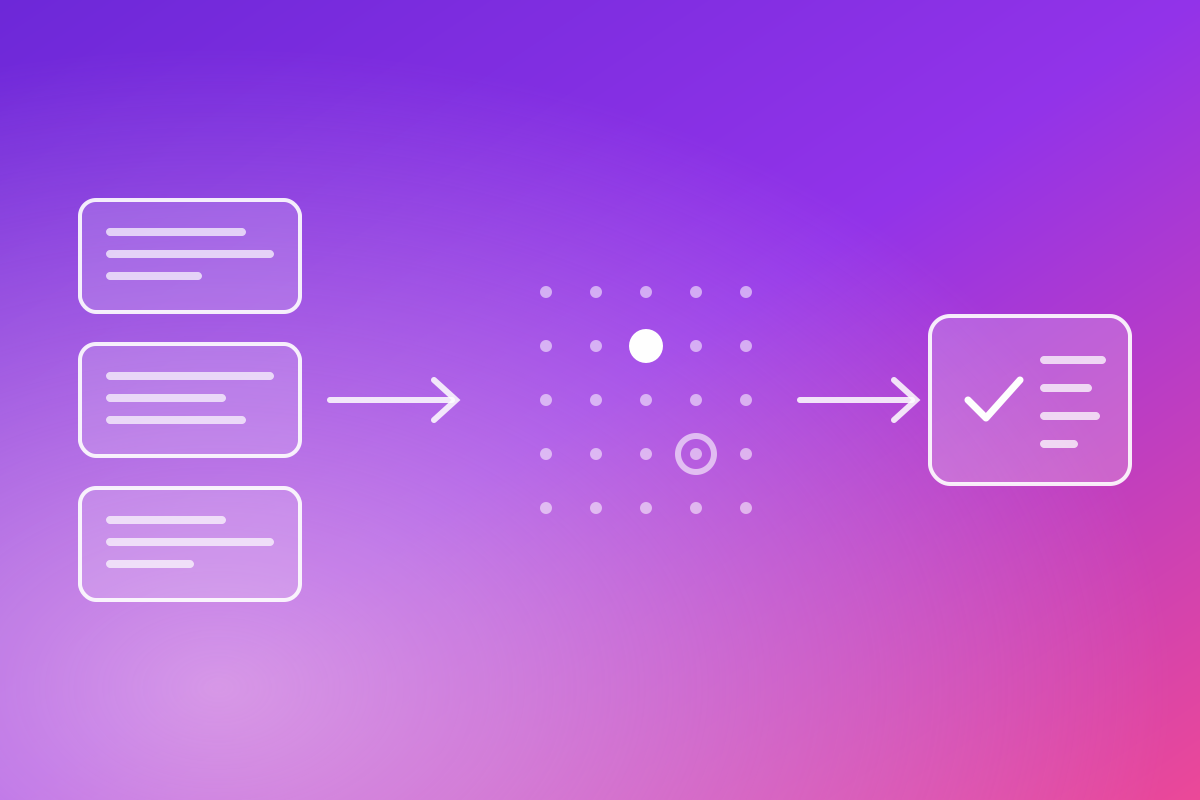
TypeSafe AI released Jev, the first public System One model. The label matters more than the benchmark table. Jev is not a chat model with a different system prompt. It takes a messy situation and returns a structured decision that software can execute immediately.
The pitch is latency and shape, not eloquence. A chat model is what you reach for when a human needs to read the answer. A System One model is what you reach for when the answer goes straight into a function call.
Why I think the split is real
Most of my agent loops are not creating anything. They are classifying, routing, and choosing the next tool. That work does not need prose. It needs a decision in a fixed shape, fast enough to sit inside a request, and reliable enough that the caller never has to parse free text and hope.
- Structured output is the native format, not a schema bolted on with a retry loop.
- One pass instead of a chain of thought, which cuts both latency and the number of ways it can wander.
- Deterministic shape, so the calling code stays boring.
When the decision layer is cheap and predictable, the expensive model can be reserved for the part a human actually reads: the summary, the explanation, the draft.
What it does not do
Jev is not a writer, not a researcher, and not a generalist. Ask it to explain itself in three friendly paragraphs and you are using the wrong tool. That is a feature. A model built for one job is easier to evaluate, and easier to trust with a narrow slice of a pipeline.
Where I would put it
In an agent loop I would run it as the router: read the state, pick the tool, emit the arguments. Then hand the result to a larger model or to plain code, depending on what the user sees.
The interesting consequence is architectural. If fast decisions are nearly free, you stop hiding them behind caching hacks and start making them per request, per item, per row.
Still open
Failure modes on adversarial input, how it behaves when the schema changes, and whether "System One" becomes a category or stays a marketing phrase. I am watching that more than the leaderboard.